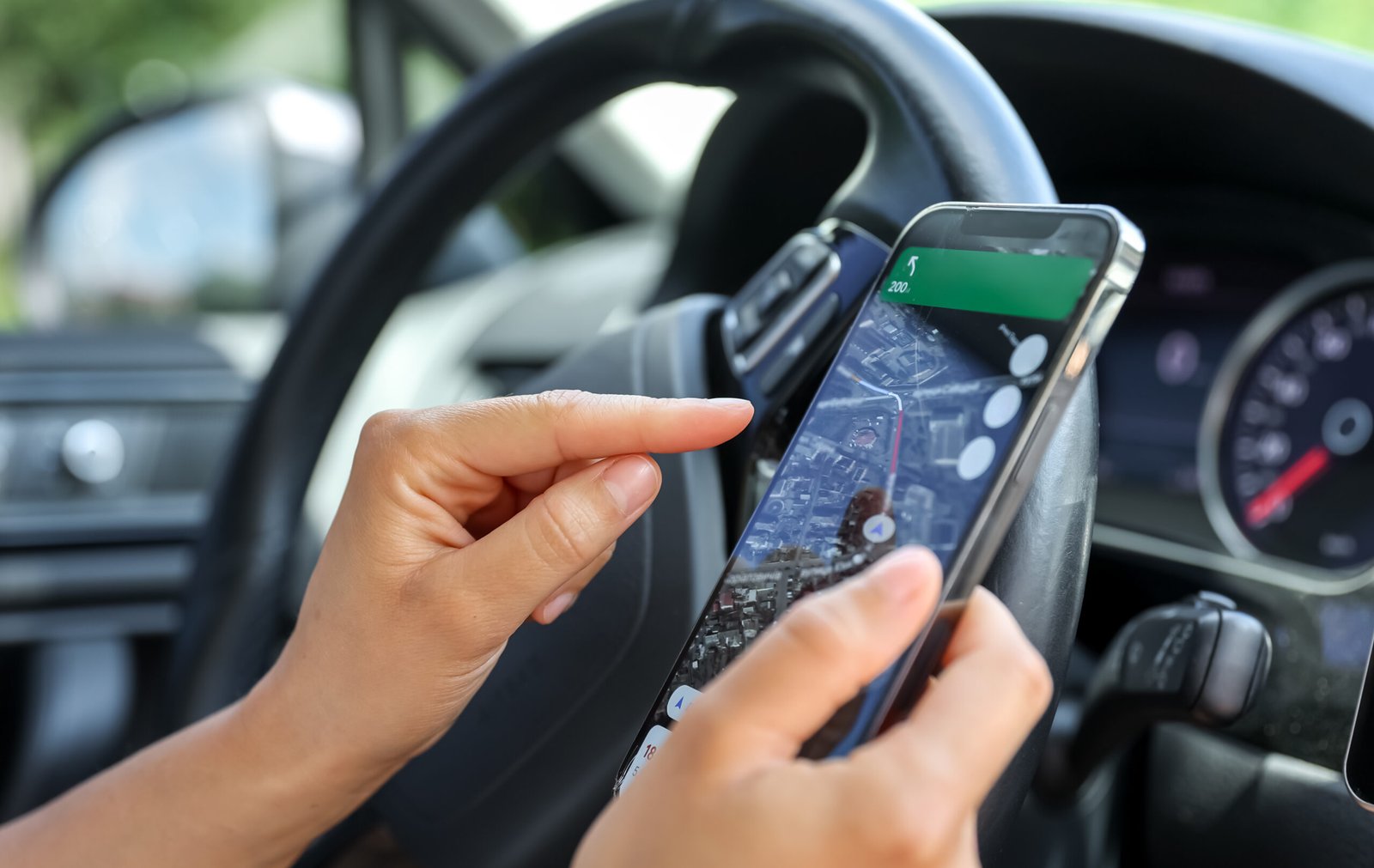
Tracqueur usually refers to a person, tool, or system that tracks something. However, the standard French spelling is traqueur, with one “c.” In English, it may mean “tracker,” “hunter,” or “stalker,” based on context. Some websites also use Tracqueur for GPS tools, vehicle tracking, and software.
The word may describe a person who follows animals or searches for a target. It may also describe a digital tool that records activity or location. In some French settings, traqueur can describe someone who gets stage fright. The surrounding words help readers choose the correct meaning.
Tracqueur may also appear as a business or product name. A company can use a special spelling even when it differs from normal French. For this reason, readers should check the page, product, or sentence carefully. This guide explains the main meanings in clear and simple English.
What Does Tracqueur Mean?
The most common English meaning of Tracqueur is “tracker.” A tracker follows the movement, place, or activity of something. It may track a person, animal, car, phone, package, or online user. The exact meaning depends on where the word appears.
In a hunting setting, the word can mean a hunter or scout. This person follows marks, sounds, tracks, or signs left by an animal. The person may help others find game in a forest or open area. This meaning comes from the French verb traquer, which means to hunt or chase.
In a technology setting, it may describe a GPS device or tracking app. These tools can show a location or record movement over time. Some services track vehicles, while others track phones, pets, or goods. A web tracker can also record clicks, visits, or user choices.
Is Tracqueur the Correct French Spelling?
The normal French spelling is traqueur, not Tracqueur. The standard word has one “c,” followed by “qu.” Its feminine form is traqueuse. Its plural form is traqueurs for men or mixed groups.
The spelling Tracqueur often appears because people connect it with “tracking.” English speakers may also add a second “c” by mistake. Some sellers may use the spelling for a product or business name. A chosen brand spelling does not always follow normal language rules.
Use traqueur when writing standard French. Use Tracqueur only when copying an exact name from a page, product, or company. Check the official label before changing a proper name. This small step can prevent search and spelling problems.
Common Uses of the Word
A hunter or tracker
A traqueur can be a person who tracks animals. This person studies marks on soil, broken plants, sounds, and other signs. A skilled tracker may also study wind and animal habits. The work needs patience, care, and close attention.
The word can also describe someone who searches for a person or target. For example, a story may call a detective a tracker. A writer may use the term for someone who follows clues. This use is often less direct than the hunting meaning.
“Tracker” and “stalker” do not always mean the same thing. A tracker may follow an object, animal, fact, or lawful target. A stalker often follows a person in an unwanted or harmful way. Readers should not translate the term as “stalker” without clear context.
A person with stage fright
In some French use, traqueur can describe a nervous person. The meaning links to le trac, which means stage fright. A singer may feel this fear before a show. A student may feel it before speaking to a class.
This meaning has no link with GPS or hunting. It describes fear before a public act or event. The person may shake, forget words, or feel a fast heartbeat. The fear often becomes weaker after the event starts.
Readers can spot this meaning from nearby words. Mentions of a stage, speech, show, exam, or audience suggest stage fright. Mentions of a forest, animal, car, or app suggest tracking. Context provides the best clue.
Does Tracqueur Mean a GPS Tracker?
Many people search for Tracqueur when they want a GPS tracker. A GPS tracker finds the location of an object through satellite signals. It may show that location inside a phone app or online account. Some devices can also save routes and travel history.
However, not every product called a tracker uses GPS. Some tools use Bluetooth and work only over short distances. Others use phone towers, Wi-Fi, or nearby devices. A product title alone cannot prove what system it uses.
Read the full product details before buying. Look for the tracking method, working range, battery life, and service cost. Check whether the device needs a SIM card or paid plan. These details matter more than the product name.
How Do Tracking Devices Work?
A tracking device first collects location or movement data. It then stores or sends that data to another system. The user may view the result through an app, map, or website. Different trackers send information in different ways.
A GPS device receives signals from satellites. It uses those signals to work out its position. The device may then send that position through a mobile network. This setup can support tracking over long distances.
A Bluetooth tracker works in a different way. It sends a short-range signal to a nearby phone or tablet. Some systems use a network of nearby phones to help locate lost items. The owner may see the last known place when the tag leaves range.
Main tracker types
- GPS tracker: Best for cars, travel, and long-range location.
- Bluetooth tag: Useful for keys, bags, and nearby items.
- Mobile tracker: Uses a phone app and location services.
- Pet tracker: Attaches to a collar and tracks movement.
- Fleet tracker: Helps businesses manage many vehicles.
- Web tracker: Records online visits, clicks, and choices.
Tracqueur for Cars and Vehicle Security
Vehicle tracking systems help owners find a car’s last known location. Some tools also send alerts when a car moves without permission. Others can report speed, route, stops, or entry into a set area. These features can support both safety and fleet work.
A hidden tracker may help after vehicle theft. The owner should still report the theft to the police first. Trying to recover a stolen car alone can be dangerous. A professional recovery service may work with police or approved teams.
The name Traqueur has also appeared in the French vehicle tracking field. Public references connect that name with telematics, geolocation, and stolen vehicle recovery. However, company names, ownership, and services can change over time. Buyers should confirm the latest details through the provider’s official channels.
GPS Tracker vs Bluetooth Tracker
GPS and Bluetooth trackers serve different needs. GPS tools can cover wider areas when they have a way to send data. Bluetooth tools work best for nearby items. The right choice depends on range, battery, cost, and use.
| Feature | GPS Tracker | Bluetooth Tracker |
|---|---|---|
| Best use | Cars, pets, travel, fleets | Keys, bags, wallets |
| Normal range | Long range | Short range |
| Connection | GPS plus mobile or other network | Bluetooth |
| Service fee | Often required | Often not required |
| Battery use | Usually higher | Usually lower |
| Live location | Often available | Limited by nearby devices |
Choose GPS for a moving car, pet, or valuable item that may travel far. Choose Bluetooth for items that usually stay close to you. Do not expect a small Bluetooth tag to act like a full vehicle tracker. Check the product’s real range before making a choice.
Some trackers combine more than one method. A device may use GPS outdoors and Wi-Fi indoors. Another device may use Bluetooth to connect with the owner’s phone. Combined systems can improve results, but they may cost more.
What to Check Before Buying a Tracqueur Device
Start by deciding what you need to track. A tracker for car theft has different needs from a tag for keys. A pet tracker needs a light design and safe collar fit. A business fleet system needs reports and many user accounts.
Check the product details with care. A good listing should explain how the tracker finds and sends its location. It should also state the battery life, app support, and working area. Avoid sellers that make broad claims without clear proof.
Use this buying checklist:
- Tracking method: Check for GPS, Bluetooth, Wi-Fi, or mobile signals.
- Working range: Confirm whether it works nearby or across long distances.
- Battery life: Learn how often the device needs charging.
- Monthly fees: Check for app, SIM, or service charges.
- Phone support: Make sure it works with Android or iPhone.
- Location updates: Check how often the position refreshes.
- Water protection: Important for pets, bikes, and outdoor use.
- Customer support: Look for clear contact and return details.
- Privacy policy: Read how the company stores and shares data.
- Warranty: Confirm what faults and damage the seller covers.
Reviews can help, but they need careful reading. Look for comments about signal delay, battery life, app errors, and support. Avoid relying on very short reviews with no real detail. A clear return policy also lowers the buying risk.
Privacy and Safe Use
Location data can reveal a person’s daily life. It may show where someone lives, works, shops, or meets others. A long location history can expose private habits. Users should protect this data with a strong password.
Only track people when you have clear permission or lawful authority. Hiding a tracker on someone may break privacy or stalking laws. Rules differ by country and situation. Seek local legal guidance when the rules are unclear.
Parents, employers, and families should explain tracking in simple terms. People should know what data the device collects. They should also know who can see it and how long it stays stored. Clear notice builds trust and lowers misuse.
Digital and Website Trackers
A website tracker records certain actions made by visitors. It may count page views, remember settings, or study clicks. Some trackers support security or basic website features. Others help with ads and user profiles.
Common web tracking tools include cookies, pixels, and device codes. A cookie is a small file saved by a browser. A tracking pixel sends information when a page or email opens. A device code may help a service recognize the same phone or computer.
Website owners should explain their tracking tools clearly. Users should get a fair choice when consent rules apply. A privacy page should state what data gets collected and why. It should also explain how users can change their choices.
How to Translate Tracqueur Correctly
Do not translate the word without reading the full sentence. One English word may not fit every use. “Tracker” works for most technology and search settings. “Hunter” works better for animals and hunting.
Use “nervous performer” or “person with stage fright” for the fear-based meaning. Use “tracking software” for a digital program. Use “GPS tracker” for a physical location device. Use the exact business name when the word refers to a company.
The following table gives a simple guide:
| French context | Best English meaning |
|---|---|
| Hunting animals | Hunter or tracker |
| Following clues | Tracker or investigator |
| GPS product | GPS tracker |
| Website software | Digital tracker |
| Fear before a show | Nervous person |
| Company or product name | Keep the official name |
A good translation should sound natural in English. It should also keep the meaning of the full sentence. Word-for-word translation can create mistakes. Context remains the safest guide.
Common Problems With Tracking Products
Battery life is one of the most common problems. A tracker cannot send updates after its battery dies. Cold weather and weak signals may drain power faster. Users should charge and test the device often.
Location delays can also cause confusion. A map may show an old position instead of a live one. This can happen when the device loses GPS or mobile service. Tunnels, buildings, forests, and remote places may block signals.
Apps may stop working after phone or software updates. A low-cost product may also lose support after a short time. Check whether the company keeps its app updated. Good customer service matters when a tracker fails.
Frequently Asked Questions
What does Tracqueur mean in English?
Tracqueur usually means tracker or hunter. It may also refer to a GPS tool or tracking app. The correct meaning depends on the sentence. In standard French, the common spelling is traqueur.
Is Tracqueur a French word?
The standard French word is traqueur, with one “c.” Tracqueur may appear as a spelling error or special product name. A business can choose its own spelling. Check the source before correcting a brand name.
Can Tracqueur mean stalker?
It can sometimes carry the idea of following someone. However, “stalker” often suggests unwanted or harmful conduct. “Tracker” or “hunter” is usually safer. Use “stalker” only when the context clearly supports it.
Is Tracqueur a GPS device?
The word may appear in GPS product searches or listings. Still, it does not prove that a device uses GPS. Some trackers only use Bluetooth or phone networks. Always read the product details.
What is a vehicle Tracqueur?
A vehicle tracker records or sends a car’s location. It may also provide movement alerts, route history, or fleet reports. Some services support stolen vehicle recovery. Features vary by device and service plan.
Does a GPS tracker need a SIM card?
Many long-range GPS trackers need a SIM or mobile service. GPS finds the location, while the mobile network sends it. Some devices use radio or other networks instead. Check the connection method before buying.
Is it legal to use a tracker?
Tracking your own property is often allowed, but rules can vary. Tracking another person without permission may break privacy laws. Workplace and family use may have special rules. Check local law when you feel unsure.
Can a tracker work without the internet?
A tracker may still find or save a location without internet access. However, it may not send that location to your phone at once. The data may appear after the connection returns. The result depends on the tracker type.
Final Thoughts
Tracqueur usually relates to tracking, hunting, or finding a target. The normal French spelling is traqueur, with one “c.” In technology, the word may refer to GPS devices, apps, or web tools. Context helps readers find the right meaning.
Buyers should check the device type before paying. Review its range, battery, fees, app, privacy terms, and customer support. Use trackers only in a safe and lawful way. Do not depend on a product name alone.
A good tracking tool should match your real need. GPS suits long-range use, while Bluetooth suits nearby items. Clear product details and fair privacy rules are strong signs.
For more helpful guides, expert insights, and trusted articles, visit Buffalo Ques.
